Meta description (for SEO): Discover Japan’s addictive capsule-toy culture — gacha (gashapon) machines — why they’re everywhere, what kinds of toys you’ll find, and the latest market and safety trends in 2025.
- Introduction — What is Gacha (Gashapon)?
- Why Gacha Feels So Fun
- A Quick History (Tiny timeline)
- What You’ll Actually Find Inside
- Types of Gacha Players
- Where to Find the Best Gacha
- Money Talk: The Market (Latest figures)
- Safety & Regulation — What Visitors Should Know
- Etiquette & Practical Tips
- Why Gacha Matters Beyond Toys
- Quick FAQ
- Conclusion — Try One and See
- Latest updates (short summary — 2025)
Introduction — What is Gacha (Gashapon)?
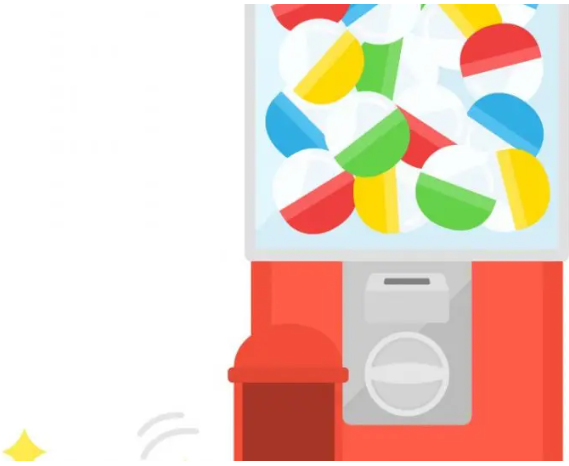
Walk into a Japanese shopping mall, supermarket, electronics shop, or train station and you’ll likely find rows of small vending machines dispensing plastic capsules. Each capsule contains a small toy or collectible — and what you get is a surprise. These capsule machines are commonly called gacha, gachapon, or gashapon, and they’re a compact cultural phenomenon: part toy, part lottery, and entirely addictive for many people.

Why Gacha Feels So Fun
Gacha taps into the excitement of randomness. For a modest price (often between ¥100–¥700), you make a small gamble: will you get the one rare figure, or a common variant? Collectors chase full sets; casual players enjoy the instant thrill. Gacha appeals to kids, teens, and many adults — especially collectors of anime, game, and pop-culture merchandise.
A Quick History (Tiny timeline)
- 1960s: The idea of capsule vending (a cousin of gumball machines) reached Japan and evolved in form and content.
- 1970s: Bandai and other makers popularized the modern capsule-toy format.
What You’ll Actually Find Inside
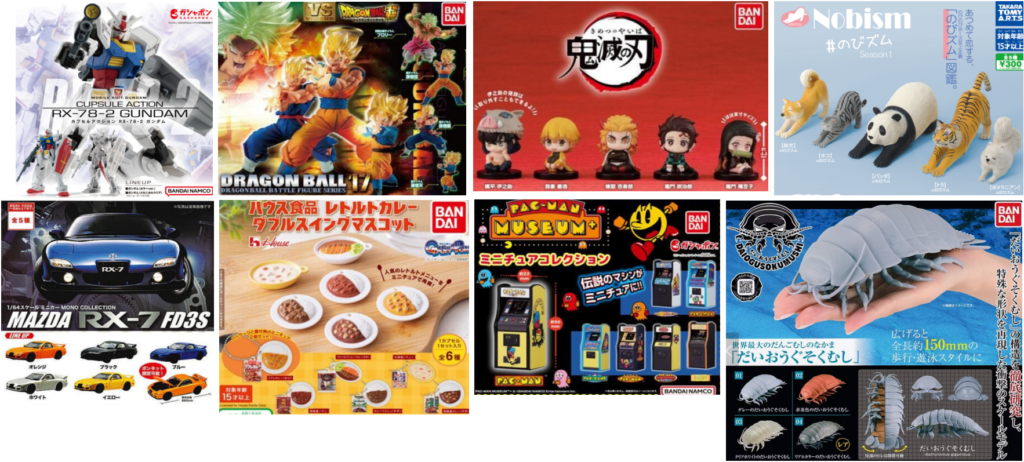
Gacha content ranges from adorable miniature foods and animals to hyper-detailed anime characters, practical items (like cable holders), and delightfully bizarre pieces that make you ask, “Is that a toy?” The variety is astonishing — new lines appear regularly, tied to anime, movies, seasonal themes, and creative original concepts.
Types of Gacha Players
- Kids buying for simple fun.
- Casual tourists picking up unique souvenirs.
- Collectors (“kidults”) who hunt for rare variants or complete sets.
- Resellers who sometimes buy multiples to sell rare items online. Trends show more adult collectors influencing product design and price points.
Where to Find the Best Gacha
Look in:
- Electronics stores (Akihabara-style shopping streets),
- Dedicated gacha shops and Bandai Gashapon stores,
- Train stations and airports (high tourist-traffic spots often have premium lines),
- Department stores and game arcades. Some airports and tourist hubs feature machines with exclusive capsules — popular with souvenir hunters. 株式会社バンダイナムコホールディングス+1
Money Talk: The Market (Latest figures)
The capsule-toy market in Japan has been growing strongly in recent years. It rose rapidly through FY2023–FY2024 and industry analysts projected continued expansion into 2025 — with estimates approaching or exceeding ¥100 billion for the market as a whole. Major brands such as Bandai’s Gashapon dominate the market and released hundreds of millions of units per year. Recent company data and market projections confirm this growth. 株式会社バンダイナムコホールディングス+2musubi-jp.com+2
Safety & Regulation — What Visitors Should Know
Japan has tightened product safety rules for toys in recent years (for example, updates to the Consumer Product Safety Act enforcement and regulations on certain materials/products). This affects some novelty items such as magnetic toys or water-absorbing resin products; manufacturers must comply with technical requirements to sell them legally. For travelers, this means most mainstream gacha items meet safety standards, but extremely cheap or unofficial imports (rare in reputable shops) may be of lower quality. 経済産業省
Etiquette & Practical Tips
- Check prices (usually printed on machine: ¥100–¥700).
- Don’t shake or try to force machines. It’s rude and may break the machine.
- If you get a duplicate: many stores allow limited exchanges or have “trade boards” in collector cafés; otherwise consider gifting it or swapping with fellow collectors.
- Keep small parts away from young children. Capsules contain tiny pieces, so supervise toddlers.
- Tourists: airport and big-city gashapon stores often carry tourist-friendly lines and English signage.
Why Gacha Matters Beyond Toys
Gacha machines are a mirror of Japanese pop culture and retail creativity. They show how low-price, high-variety products can thrive, how fan culture drives small-scale merchandising, and how the thrill of surprise has become a global media model — even inspiring the gacha mechanics in many mobile games.
Quick FAQ
Q: Are gacha machines legal?
A: Yes — but specific toy types are subject to consumer-safety rules. Reputable manufacturers comply with regulations. 経済産業省
Q: Are rare items really rare?
A: Yes — some lines include “rare” variants or chase pieces. Collectors often trade to complete sets. ザ・ガーディアン
Q: Is it expensive to collect?
A: It can be inexpensive per play, but collecting full premium sets (or chasing rares) adds up quickly.
Conclusion — Try One and See
Next time you see a line of tiny machines, drop a coin and twist the knob. Whether you walk away with a cute keychain, a detailed anime figure, or something that defies explanation, gacha is an instant, affordable slice of modern Japan — surprising, a little silly, and utterly compelling.

Latest updates (short summary — 2025)
- Market growth: The capsule-toy market increased rapidly through FY2023–FY2024 and industry reports/projects place the 2025 market near or above ¥100 billion. Bandai’s Gashapon is a market leader with annual shipments in the hundreds of millions of units. 株式会社バンダイナムコホールディングス+2musubi-jp.com+2
- Recognition: Bandai’s Gashapon brand received high-profile recognition for global sales performance in recent reporting. プレスリリース・ニュースリリース配信シェアNo.1|PR TIMES
- Safety regulation: Japan’s consumer-product safety rules have been updated to tighten requirements for certain toy types (e.g., magnetic items and super-absorbent polymers), affecting design and sale of some novelty capsules.


コメント