When you hear the word “Wabi-Sabi”, what image comes to mind?
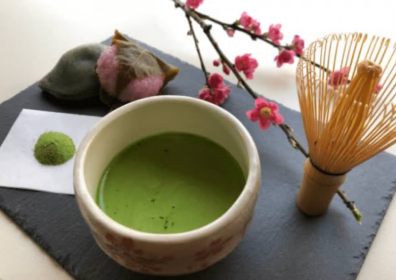
If you imagine a serene Japanese tea ceremony, a quiet garden covered with moss, or a rustic ceramic tea bowl, you may already be familiar with one of Japan’s most profound cultural values.
But Wabi-Sabi is far more than aesthetics—it’s a way of seeing the world.
✅ What Is “Wabi-Sabi”?
The term Wabi-Sabi (侘び寂び) combines two concepts:
| Word | Meaning | Essence |
|---|---|---|
| Sabi (寂び) | Beauty that comes with age, imperfection, and the passage of time | Outer beauty shaped by nature and aging |
| Wabi (侘び) | A mindset of finding peace, humility, and appreciation in simplicity and imperfection | Inner richness and acceptance |
🌿 Sabi – Beauty in Imperfection
Things in the world age—they rust, fade, crack, and deform.
While many cultures see this as decay or damage, Japan finds unique beauty in it.
For example:
- A cracked ceramic tea bowl repaired with gold (known as Kintsugi)
- A worn-out wooden temple gate
- Moss growing on centuries-old stone lanterns
These are not flaws—they are stories of time.
🧘 Wabi – The Mindset to Appreciate It
Wabi is the spiritual side.
It’s the positive attitude that allows us to:
- Accept imperfection
- Appreciate simplicity
- Find contentment in what we have
In short:
Sabi is the beauty we see, and Wabi is the heart that allows us to see it.
Together, Wabi-Sabi is a philosophy of balanced beauty—inside and outside.

🍵 Wabi-Sabi in the Tea Ceremony (Sado / 茶道)
The Japanese tea ceremony, Sado or Chanoyu, is one of the purest expressions of Wabi-Sabi.
A tea ceremony is not just “making and drinking tea.”
It includes every movement and intention:
- How to enter the room
- How to bow
- How to prepare tea
- How to receive and drink it
- How to express gratitude
Each step is performed with calmness, respect, and mindfulness.
Nothing is rushed—everything has meaning.
The tea room is usually small, quiet, and simple.
This simplicity itself is part of Wabi-Sabi.
🏯 Where You Can Experience Wabi-Sabi Today (2025 Update)
As interest in Japanese aesthetics grows globally, more places are offering Wabi-Sabi experiences:
📍 Kyoto – Tea ceremony workshops for foreigners, often with English guidance
📍 Kanazawa – Kintsugi workshops (repairing broken pottery with gold)
📍 Tokyo – Minimalist Wabi-Sabi cafés blending modern and traditional design
🌱 Ryokans (traditional inns) – Offer stays designed around Wabi-Sabi architecture and interior style
In recent years, luxury hotels abroad such as in New York, Paris, and Singapore have adopted Wabi-Sabi interior design as a trend—natural materials, muted colors, and imperfect textures.

💡 Why Wabi-Sabi Matters in Modern Life
In today’s world—fast, digital, perfection-driven—Wabi-Sabi offers healing lessons:
- You don’t need perfection to be happy
- Imperfections tell a story
- Slowness and simplicity can be luxurious
- Aging is not losing beauty, but gaining depth
Many people find Wabi-Sabi helpful for mental wellness, mindfulness, and reducing stress.
✨ In One Sentence
Wabi-Sabi teaches us to accept imperfection, appreciate simplicity, and find beauty in the passage of time.
Thank you for reading today’s topic!
I hope this helps you understand one of the most fascinating aspects of Japanese culture.


コメント