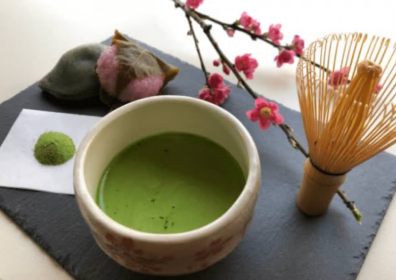
Matcha has recently gained worldwide attention as a “superfood.” Its vibrant green color, rich flavor, and compatibility with modern lifestyles have made it especially popular among younger generations.
Growing Health Awareness
Matcha is rich in catechins and L-theanine, which are believed to promote relaxation, improve concentration, and provide antioxidant benefits. Since the COVID-19 pandemic, health and immune-conscious consumers have increasingly turned to matcha. Around the world, matcha is now enjoyed in daily routines as “Matcha Latte” or “Matcha Smoothie.”
Social Media Appeal
The striking green hue of matcha makes it highly photogenic on platforms like Instagram and TikTok. Pictures of matcha lattes and desserts are widely shared, driving consumer interest. Influencers and celebrities have further boosted its recognition, making matcha a trendy choice.
Cafe Culture Synergy
In North America and the Asia-Pacific region, major cafe chains such as Starbucks have introduced matcha beverages. As a result, matcha has become a coffee alternative, particularly popular in urban areas.
Product Diversification
Beyond drinks, matcha is now used in ice cream, sweets, protein powders, and more. This diversification has broadened its appeal and consumer options. In fact, international demand has become so high that production in Japan, especially Shizuoka, is operating at full capacity.
Personal Memories
I have loved matcha since childhood. I fondly remember buying powdered matcha from a local tea shop and dissolving it in water or hot water, feeling a special moment every time. On hot summer days, iced matcha was simply perfect. Today, matcha has become a luxury superfood drink abroad. It makes me want to enjoy a cup once again.
Conclusion
Health consciousness, social media influence, cafe culture, and product diversification have all fueled matcha’s rapid rise in popularity. This trend is likely to continue, and matcha will remain a beloved drink around the world.

コメント