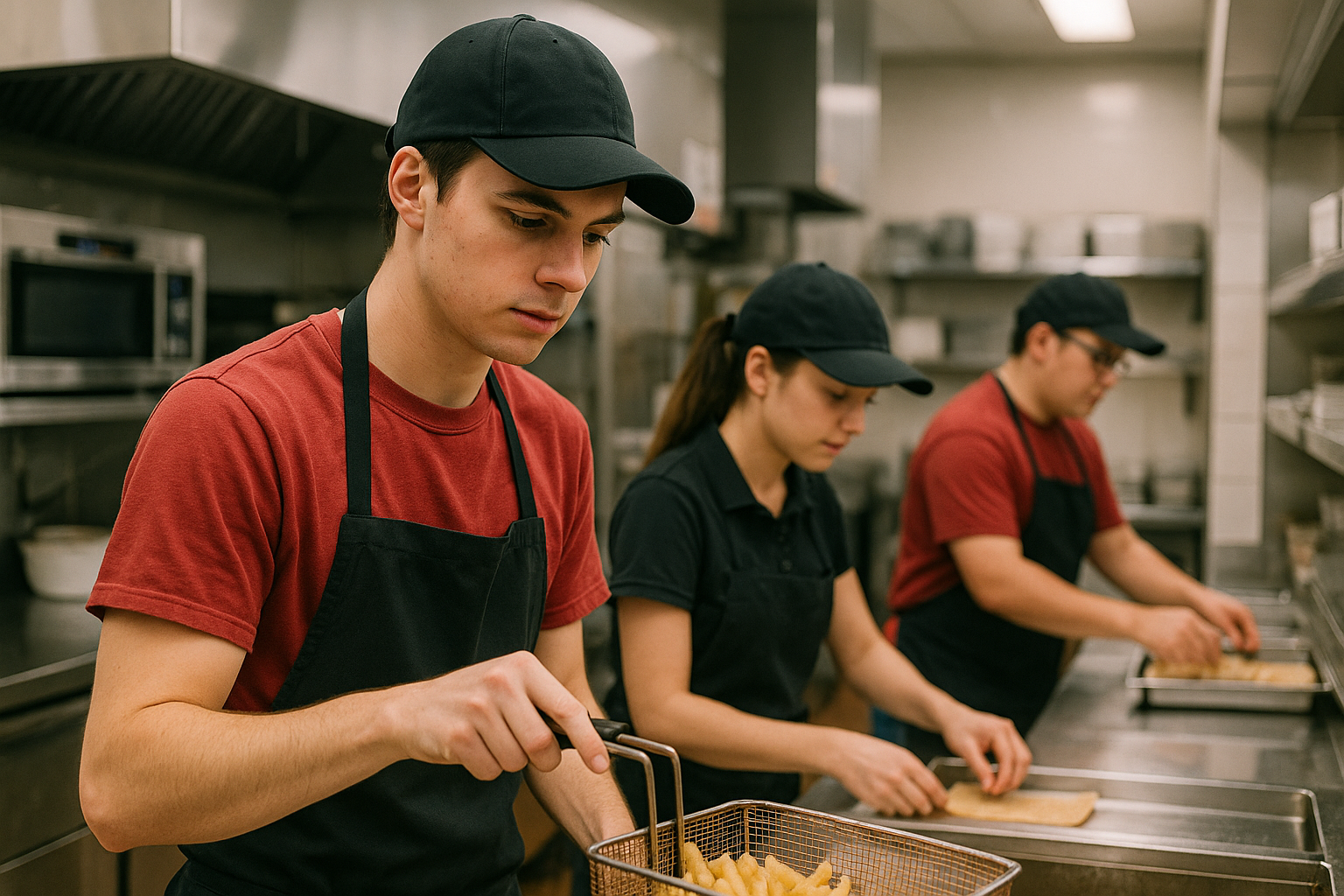
When you think of Japan, you may imagine a country known for its safety, cleanliness, and strong hospitality culture. However, in recent years, a surprising and disturbing trend has emerged—“Food Terrorism”. Despite the alarming name, this term refers not to violent crime, but to a new wave of malicious pranks in restaurants, often recorded and posted on social media for attention.
These incidents began to surface widely after short-video platforms such as YouTube, Instagram, and TikTok became popular among younger generations in Japan. Individuals—often teenagers—record themselves committing unsanitary acts in restaurants to gain views, followers, and sometimes ad revenue.
✅ What Is “Food Terrorism”?
In Japan, the term “Food Terrorist (フードテロ)” describes people who deliberately contaminate or misuse food items in restaurants or stores, then upload the footage online. Their actions are intended to shock viewers and go viral on social media.
Common behaviors include:
- Tampering with shared condiments such as soy sauce, wasabi, ginger, or salad dressing
- Touching or licking communal food items
- Drinking sauce directly from bottles in restaurants
- Disrupting conveyor-belt sushi systems
These actions not only harm the restaurants’ reputation but also create hygiene concerns and customer fear.
🍣 Major Case: Sushiro Conveyor-Belt Sushi Incident
One of the most well-known incidents happened at Sushiro, a major conveyor-belt sushi chain.
A teenager posted a video in which he:
- Licked a piece of sushi passing on the conveyor belt
- Licked shared ginger and soy sauce bottles
- Placed contaminated items back for others to use
The video went viral, severely damaging the brand image. As a result:
| Impact | Details |
|---|---|
| Public backlash | Customers avoided visiting Sushiro |
| Stock Market Drop | Stock price fell sharply on the same day |
| Legal Action | Sushiro sought approx. 67 million yen in damages |
Although the restaurant initially took legal action, the case later shifted to seeking compensation rather than severe criminal charges due to the suspect’s age.
🥩 Case: Ikinari Steak
Another viral incident occurred at the steak chain Ikinari Steak, where a young customer filmed himself drinking steak sauce directly from the bottle at the restaurant.
The video quickly spread online, again leading to negative publicity and customer concern.
🧊 Not Just Restaurants – Convenience Stores Also Targeted
This trend is not limited to sit-down restaurants.
Convenience stores (known as “conbini”) have also faced similar damage, such as:
- Opening and consuming products without paying
- Biting food items and returning them to store shelves
- Tampering with ice cream freezers for “views”
👦 Why Are Most Offenders Teenagers?
Surprisingly, most food terrorism cases involve young offenders aged 13–19.
Many are legally considered minors, which results in:
- No jail time in most cases
- Cases settled through apology and compensation
- Schools or parents handling disciplinary actions
Some viewers argue these acts are “youthful mistakes,” but to affected businesses, the damage is enormous—financially and reputationally.
📉 Social Impact & Latest Measures (2024–2025 Updates)
Japan has taken action over the past two years to reduce such incidents:
Restaurants’ Countermeasures
- Switching conveyor sushi to “order-only systems” instead of free-moving belts
- Installing security cameras and warning signs
- Sealing or individualizing condiments
Legal and Social Response
- Increase in lawsuits seeking compensation
- Schools issuing strict guidelines for student social media use
- Social pressure and “naming & shaming” online causing rapid backlash
Many Japanese citizens now say they feel less safe sharing communal items at restaurants.
🧭 Final Thoughts
Japan remains one of the world’s cleanest and safest countries. However, as social media evolves, new types of antisocial behavior are emerging—even in places where respect and manners are highly valued.
The “Food Terrorist” trend may seem unbelievable, but it reflects a real social challenge Japan is facing today.
If you plan to visit Japan, don’t worry—most restaurants have already taken preventive measures, and dining in Japan is still safe, enjoyable, and delicious. But this phenomenon gives us insight into how social media can influence behavior, especially among young people.

コメント