Meta description: In Japan many restaurants serve free drinking water (and often green tea) — discover why tap water is safe, what to expect at restaurants, tipping culture, and practical tips for travellers.
- Introduction
- 1) What you will usually get at a Japanese restaurant
- 2) Is tap water in Japan really safe to drink?
- 3) Why restaurants offer free water (and tea)
- 4) Tipping — don’t expect it (but be aware of early changes)
- 5) Travel tips & etiquette
- 6) FAQ (short)
- Conclusion — A small kindness that surprises visitors
Introduction
If you’ve visited Japan you may have noticed a small but delightful surprise: when you sit down at many restaurants, a cup of cold water or a pot of hot green tea often arrives without asking — and at no extra charge. For visitors from countries where bottled water is the norm, this polite, practical custom can feel almost unbelievable. In this article we explain why free drinking water is common in Japan, why tap water is safe, how this ties into local hospitality, and what travellers should know.
1) What you will usually get at a Japanese restaurant
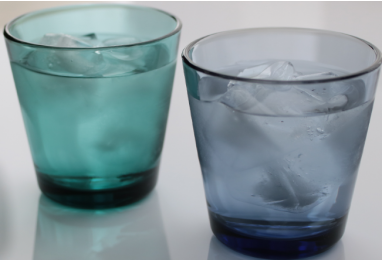
- Cold water on arrival: Many casual and family restaurants bring a glass of cold water (“o-hiya”) as soon as you sit down. It’s often the first thing served alongside an oshibori (moistened hand towel).
- Hot green tea in traditional places: Sushi counters, izakaya, and many sit-down restaurants commonly serve hot green tea (“ocha”) either on the house or as part of the meal. Some venues also offer free self-service drink stations (drink bars) for a small extra fee.
2) Is tap water in Japan really safe to drink?
Yes — Japan’s tap water is widely safe to drink. The country’s water supply is regulated by the Ministry of Health, Labour and Welfare (MHLW) and must meet strict Drinking Water Quality Standards; utilities perform regular testing and disinfection. Coverage of public water supply is very high (over 98% in many reports), and Japanese purification systems and monitoring are among the world’s most reliable. That is why many restaurants and homes rely on tap water rather than bottled water.
Practical note: As with any country, rare local incidents or small private systems can cause problems; but for the vast majority of travellers in cities and towns, tap water is safe.
3) Why restaurants offer free water (and tea)
- Hospitality (omotenashi): Serving water or tea is part of Japan’s service culture — a simple gesture to make guests comfortable without creating a transaction for every small courtesy.
- Infrastructure confidence: Since tap water quality is high, restaurants can confidently provide water from the tap without needing to buy bottled water.
- Practical efficiency: Offering water immediately reduces friction (thirst, settling in) and improves the dining flow — a small cost for the establishment but a big convenience for customers.
4) Tipping — don’t expect it (but be aware of early changes)
In Japan, tipping is generally not expected and can even be seen as awkward or unnecessary; excellent service is considered part of the job rather than something to be rewarded with cash. For travellers, the simple rule is: no tip required in restaurants, taxis, and hotels in most situations.
But — watch for exceptions: With rising tourism and occasional experiments (tip boxes in highly touristy spots), attitudes are nudging toward debate in some places. These are still limited and controversial — the broad norm remains no tipping. If you’re unsure, follow local cues: don’t force a tip; if you really want to show thanks for exceptional service, a small gift or polite verbal thanks is more culturally appropriate than handing cash.
5) Travel tips & etiquette
- Accept the water/tea: Saying a quick “Arigatou” (thank you) is enough.
- Refills: In casual restaurants, staff may top up your water; in others, ask politely if you need more.
- Bottled water: If you prefer bottled water, you’ll find it everywhere — but most travellers don’t need it for safety reasons.
- Cash gifts: If you wish to show gratitude to hotel staff or ryokan attendants, hand the envelope discreetly (kokorozuke style) — tipping openly at a restaurant counter is unusual.
6) FAQ (short)
Q: Can I drink fountain water in parks?
A: Some city fountains are intended for drinking, but check signage. In parks, bottled water remains the safest quick choice if signage is absent.
Q: Is the water the same taste everywhere?
A: Hardness and mineral content vary regionally (mountain water tends to taste different from river or reservoir sources), so taste may change by region but safety standards remain.

Conclusion — A small kindness that surprises visitors
Free drinking water and complimentary tea in Japanese restaurants are small, everyday examples of omotenashi — practical, quietly generous hospitality backed by world-class public water systems. For travellers, it’s one less small worry and one more pleasant cultural surprise: enjoy the welcome, sip the tea, and leave your tips back in your travel wallet.

Sources & further reading (selected)
- Ministry of Health, Labour and Welfare — overview of drinking water quality and regulations.
- Japan tourism & travel guides on restaurant customs (water, oshibori, free tea).
- Academic overview of Japan’s water supply coverage and monitoring.
- Recent coverage on tipping debates in Japan (context for visitors).
- Practical travel writeups and water guides.


コメント