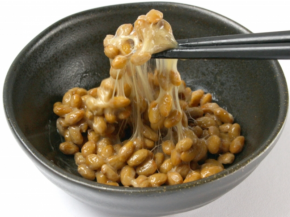
Today’s topic is “Natto”, one of the most surprising traditional foods you may encounter in Japan. If you are visiting Japan for the first time, this sticky and strong-smelling dish could shock you — but don’t run away just yet! Natto is not only unique, but it is also considered one of the healthiest Japanese superfoods.
What Is Natto?
Natto (納豆) is a fermented soybean dish made using Bacillus subtilis var. natto, a friendly bacterium responsible for its distinctive aroma, sticky texture, and stringy consistency. It has been eaten in Japan for over 1,000 years, especially as a popular breakfast food.
Many foreigners say the smell is “stinky”, similar to aged cheese. One of my friends tried Natto after I recommended it for her health—but she could not handle the smell and left it on the balcony! (Not recommended—but a typical first reaction!)
Where to Find Natto in Japan
You can find Natto in the food section of any supermarket or convenience store across Japan. It is usually sold in packs of three small Styrofoam containers for around 80–120 yen (approx. $0.50–$0.80 USD).
Most packs include:
- Natto sauce (soy-based)
- Karashi (Japanese mustard)
How to Eat Natto (The Right Way)
- Open the container and remove the plastic film.
- Add the sauce and mustard.
- Mix 50–100 times until it becomes creamy and slightly foamy.
Mixing brings out its natural umami and makes the flavor milder and slightly sweeter.
Best ways to enjoy Natto:
- On top of steamed rice (most popular)
- With chopped spring onion and raw egg (traditional style)
- With kimchi (Korean fusion)
- In sushi rolls
- Mixed with avocado (modern healthy combo)

Why Do Japanese People Love Natto? — Health Benefits
Natto is one of the most nutritious foods in the Japanese diet. It is:
✅ High in protein
✅ Rich in Vitamins B2, B6, E, and especially K2
✅ A great source of probiotics for gut health
✅ Low-calorie but filling
But its most famous ingredient is a unique enzyme called Nattokinase.
What Is Nattokinase? (Simple Explanation)
Nattokinase (pronounced nuh-TOH-kin-ayss) is a natural enzyme produced during Natto fermentation. According to research, Nattokinase has fibrinolytic properties—meaning it may help break down blood clots and support smooth blood circulation.
Recent studies (2023–2024 update) suggest potential benefits of Nattokinase for:
- Heart and blood vessel health
- Lowering blood pressure
- Improving blood flow
- Reducing “bad” LDL cholesterol
However, it is not officially approved as a medical treatment, and more clinical studies are still ongoing. If you take blood-thinning medication, consult a doctor before eating large amounts of Natto.
My Personal Experience
I eat Natto almost every day. Whether it is thanks to Nattokinase or simply a balanced Japanese diet, my annual health check results have been excellent so far — so I believe it definitely helps!
Does it sound too good to be true? Maybe. But with low cost, high nutrition, and potential health benefits, Natto is worth trying at least once.

Tips for First-Time Natto Triers
🟦 Chill it slightly – cold Natto smells milder
🟦 Try it with rice and soy sauce first
🟦 Add kimchi or avocado to soften the flavor
🟦 Don’t smell it before the first bite!
Final Thoughts
Natto may not be love at first bite, but many visitors slowly become fans. It represents an important part of Japanese food culture — a dish that surprises, challenges, and ultimately rewards those who give it a chance.
If you want to experience the authentic Japanese breakfast, Natto is waiting for you!
Would you dare to try it?


コメント